
Published October 1, 2026
It’s almost Halloween, the spookiest—and sweetest—time of year! Dressing up in costumes to go trick-or-treating has been a source of fun for children for decades, and there’s nothing better than being rewarded with candy for creativity. But, as much fun as the holiday is for kids, Halloween festivities can bring up some (understandable) anxiety for parents. To make sure this Halloween is a memorable, yet safe event for your child this year, check out these tips.
Costume Safety
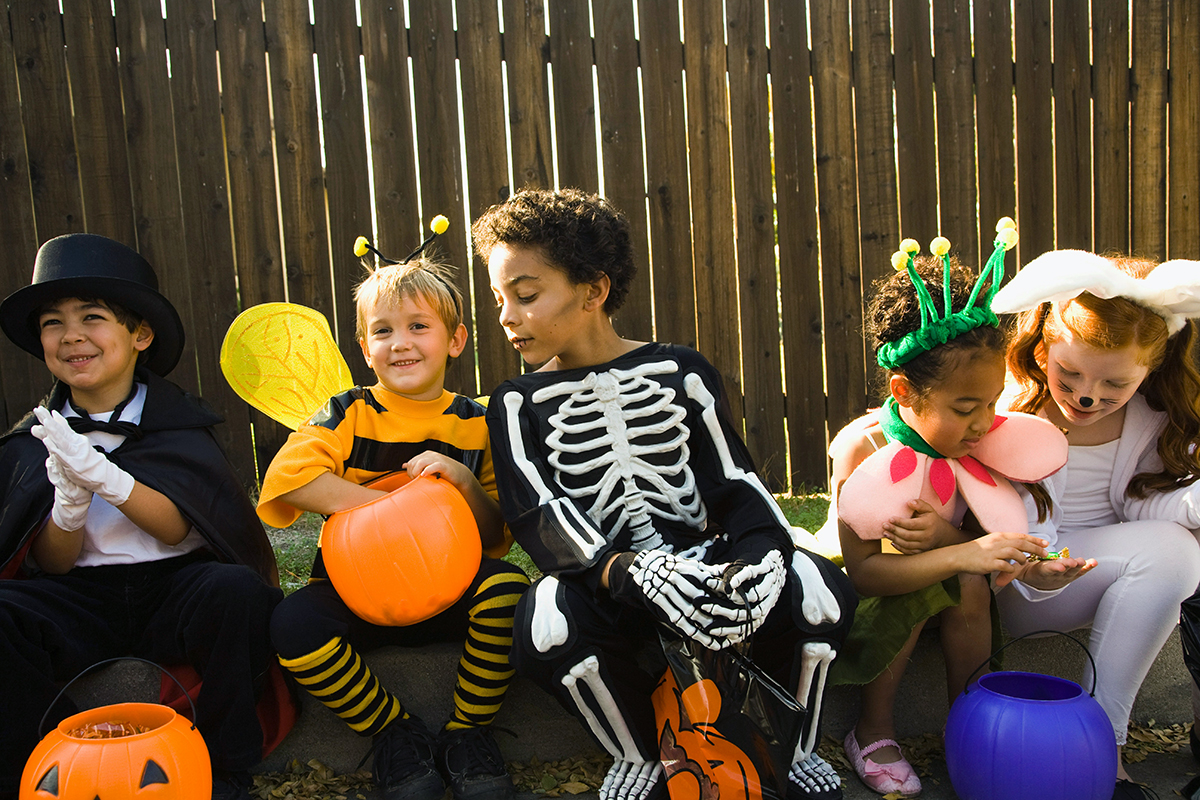
Having a fun, safe Halloween can be as simple as making some simple costume adjustments. Two of the easiest steps you can take are to make sure your child’s costume fits well and that all parts of their costume (e.g., clothing, wigs, accessories, etc.) are flame-resistant. If your kid wants to wear a hat, make sure it fits securely on their head and won’t slide down over their eyes, and consider swapping out masks for non-toxic face paints or makeup instead. These changes will ensure your child has maximum visibility while they’re out trick-or-treating. Double-check the Halloween weather forecast, too, and have your child wear an extra layer if it looks like it’ll be cold or rainy.
It’s also important to make sure that your kid can be seen by drivers while trick-or-treating—having them carry around glow sticks or a flashlight or adding reflective tape to their costume or candy bag is a great way to make your child more visible while walking around.
To avoid any potential injuries, try to avoid having any long sticks, canes, or swords as part of your child’s costume, which can be tripping hazards. Also make sure to consult your kid’s eye care professional before letting them wear decorative contact lenses, since ill-fitting lenses can potentially harm their vision. These simple adjustments can make a world of difference for your child and help make sure their Halloween is comfortable and safe.
Trick-or-Treating Safety
Trick-or-treating is what Halloween is all about for kids, but it’s important to lay some ground rules before you let them loose for the night. Plan to accompany children under the age of 12, and encourage your older children to go trick-or-treating with a group of friends with a set time frame and location that you agree on ahead of time. If your child is much younger and trick-or-treating doesn’t start until after dark in your neighborhood, see if your area has any scheduled Halloween activities earlier in the day that you can take part in instead.
Have children promise to cross streets at corners and use traffic signals and crosswalks, as well as put their phones and other devices down while crossing the street. They should watch traffic closely and walk across the street, rather than run. Also teach your child to stay on well-lit streets and to use sidewalks. If no sidewalks are available, have them walk on the far side of the road and walk facing traffic.
When approaching houses, only go to homes that have a well-lit pathway and/or porch. Do not take shortcuts through people’s backyards or through parks or alleys. Make sure your kid knows that they should never enter someone’s home or car in exchange for candy, and make sure they know how to call 9-1-1 and have memorized your phone number and your home address in case of emergencies.
Candy Safety
There’s nothing quite like the excitement of digging into a fresh haul of Halloween candy, but make sure that you have clear rules with your child around candy consumption before Halloween arrives. Have your kid wait until they’re home to eat their sweets and plan to go through them together to check for items that might have allergens (if your child has food allergies), might be choking hazards or might not be edible, or might not be sealed properly. Throw away any items that are expired, unwrapped, or that contain allergens.
To help your child wait until after trick-or-treating to eat their candy, eat dinner right beforehand so they’re full while walking and not tempted to snack as they go. As far as how and when your child eats their Halloween candy, consider giving them controlled freedom to eat what they want on Halloween and for the week after, rather than restrict their consumption, which can make children crave the restricted food more. This can help your child develop a healthy relationship with sweets, rather than creating a sense of fear or shame around them. Registered dietician, Lauren Manaker, M.S., RDN, LD, takes this approach with her own kid and says, “Since candy isn’t a forbidden food, it makes eating it less of a big deal.” Just make sure that your child brushes their teeth after eating their candy.
Halloween is one of the most fun times of the year for kids, and with this guide, you can help make it a safe experience for them, too. So get in the spirit by grabbing some pumpkins, picking out costumes, talking through trick-or-treating ground rules, and getting spooky!
Tags: Halloween, Halloween safety, kids safety, safety tips