
Published January 7, 2026
January is National Hobby Month, so we’re celebrating all the good that having hobbies can do for your child! According to Merriam-Webster, a hobby is “a pursuit outside one’s regular occupation engaged in especially for relaxation,” or, in other words, something you do outside of school or work that’s relaxing.
Common hobbies for kids today are gaming with friends, watching YouTube videos, coding, building DIY kits, and even creating online content. But can these activities help your child’s overall wellbeing? The answer is yes, they absolutely can, and in a few different ways.
Hobbies Support Mental Health
One of the best things about your child having a hobby is that it can greatly benefit their mental health. According to Mercy Health, hobbies help reduce stress, boredom, and anxiety—they give kids the opportunity to focus on something other than what might be bothering them in their lives, which allows them to relax and recharge. In fact, your child doing an activity that they enjoy causes their brain to release endorphins, or “the body’s feel-good chemical,” according to the Great Lakes Psychology Group. So you can just imagine how good they might feel after spending a few hours on a hobby they really love!
Hobbies can also help your child strengthen their mental resilience. Forbes says that activities that involve problem-solving can help boost memory skills while the Great Lakes Psychology Group says that hobbies that require concentration can teach mindfulness. Plus, the Great Lakes Psychology Group also says that your child can get a self-confidence boost anytime they finish a project or are able to see their skills improve. So there are many great ways that hobbies can help your child’s mental health!
Hobbies Keep Kids Physically Healthy
In addition to the mental benefits, hobbies that get your child moving, like running, dancing, yoga, pilates, or any kind of sport, also have great physical benefits. Sports can help improve kids’ bone health, cardiorespiratory health, and muscular health, and can also decrease the risk of cancer and diabetes, according to the President’s Council on Sports, Fitness & Nutrition Science Board.
Mercy Health also points out that having an active hobby can improve blood pressure, aid sleep, and boost serotonin (another feel-good chemical in the brain), which shows how closely your child’s physical and mental health are intertwined, and how hobbies benefit both.
Hobbies Encourage Creativity
Having a hobby can also help your child strengthen their creativity. While people might believe being creative is something you’re either born with or not, the truth is that creativity is all about expression—and no one expresses themself in the same way, meaning there’s no right or wrong way to be creative.
Forbes says that creative hobbies, like writing, drawing, sculpting, taking photos, and crafting, help children process their emotions—especially any big, overwhelming feelings. In fact, there’s a whole branch of therapy called art therapy that helps clients process what they’re going through by being creative.
With creative hobbies, kids are allowed to simply enjoy the process of making something, plus get that self-esteem boost when they finish a project. In fact, according to a 2024 study in Frontiers in Psychology, people who have creative hobbies reported a greater sense of happiness and life satisfaction overall.
Hobbies Help With Loneliness
In our digital age, it’s easy for children to experience loneliness. In fact, 26% of boys ages 11–17 say they feel lonely, according to a 2025 report by Common Sense Media. Fortunately, hobbies can help combat that feeling. By having a hobby that involves being part of a group, like being on a team sport, being in band or orchestra, or taking art classes, your child has the chance to socialize with people who share a common interest with them. This can help them create new connections and make new friends. Plus, the Mayo Clinic shares that laughing with others can actually reduce anxiety and depression and increase the feeling of hopefulness.
Some Hobbies for Your Child to Try
Now that you know just how many benefits can come from having hobbies, here are some for your child to try:
- Reading
- Creative writing
- Journaling
- Doing puzzles/games
- Learning a new language
- Playing video games
- Coding
- Cooking/baking
- Gardening
- Drawing/painting
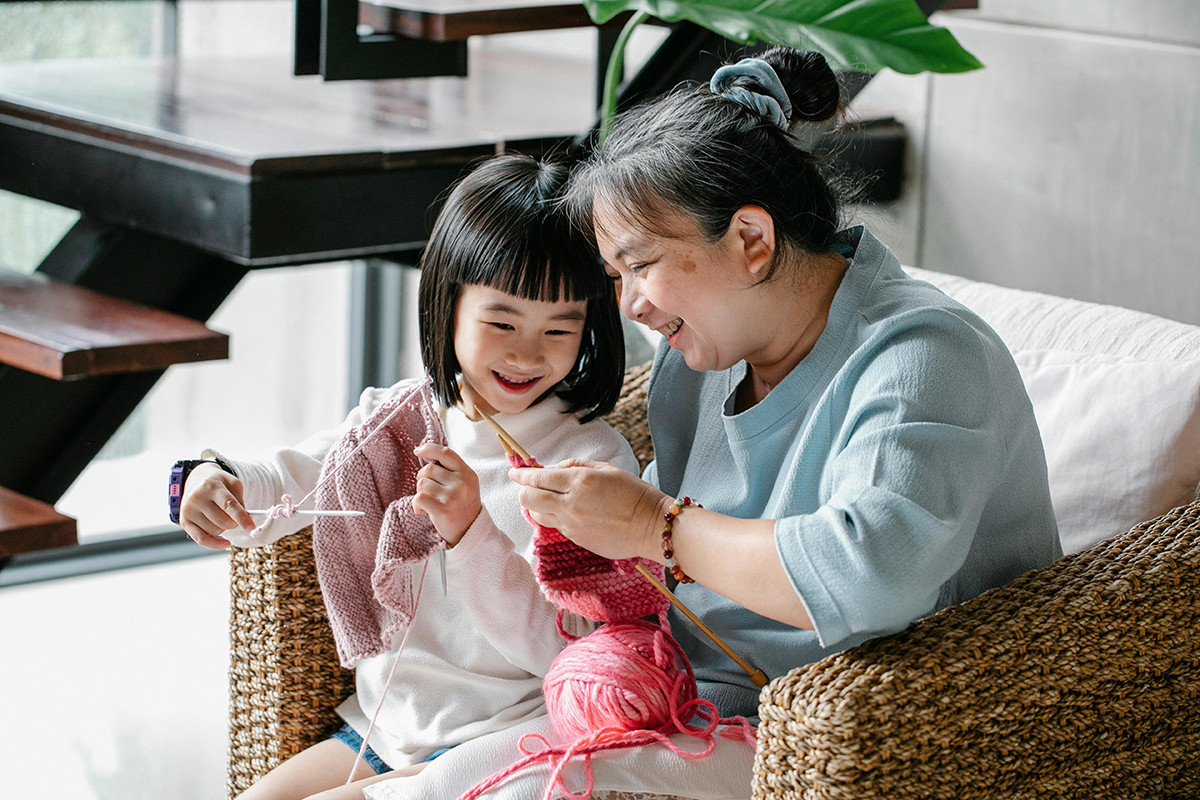
- Crafting (e.g., knitting, crocheting, collaging)
- Building/DIY kits
- Playing an instrument/singing
- Writing music
- Swimming
- Walking/running
- Dancing
- Yoga/pilates
- Team sports
As you can see, there’s a big, wild world of hobbies out there for your child to try out, and there’s no end to the benefits of them exploring a new interest. You can even try to find a hobby that you both can do together. But remember—the most important thing for your child when finding a new hobby this January is to simply have fun!
Tags: hobbies, kids mental health, National Hobby Month